
There is no shortage of things to do in Durango, Colorado — the harder problem is organizing them. Durango sits at about 6,500 feet on the Animas River in the state's southwestern corner, with the San Juan Mountains stacked to the north and Mesa Verde National Park an hour west. The town is small — around 20,000 people — but the surrounding landscape is outsized, and the calendar runs genuinely year-round. Here's how to think about it, with the specific operators and places that make each piece happen.
The Durango & Silverton Narrow Gauge Railroad
The single most iconic thing to do in Durango is ride the Narrow Gauge. The coal-fired steam train has been working the canyon route to Silverton since the early 1880s, the line is a National Historic Landmark, and the stretch along the Animas River gorge — track on a granite shelf, river far below, no road anywhere in sight — is the image most people carry home. Summer brings the full run to the old mining town of Silverton with a layover to explore; winter swaps in shorter, snow-draped Cascade Canyon round trips that are quieter and arguably more atmospheric. Book ahead in summer — this is the town's flagship attraction and seats genuinely sell out. The depot sits at the south end of Main Avenue, with a railroad museum worth arriving early for.
The Animas River: rafting, tubing, and the river trail
The Animas runs straight through town, and it's the town's summer engine. Durango's rafting outfitters are unusually good — this is a category where the town punches far above its weight:
- Durango Rivertrippers & Adventure Tours and Mild to Wild Rafting & Jeep Tours run the full spread from mellow family floats through town to serious whitewater days.
- Mountain Waters Rafting and Durango Rafting Company round out a raft trip outfitter category where nearly every operator carries near-perfect reviews — pick on trip type and schedule, not on quality anxiety.
Early summer typically brings the biggest water as snowmelt comes down; by late summer the river mellows into float-and-splash territory. If you'd rather stay dry, the Animas River Trail — a paved path threading the whole town along the water — is the easiest excellent thing in Durango: walk it, run it, or rent a bike and follow it end to end.
Mountain biking and hiking: the local religion
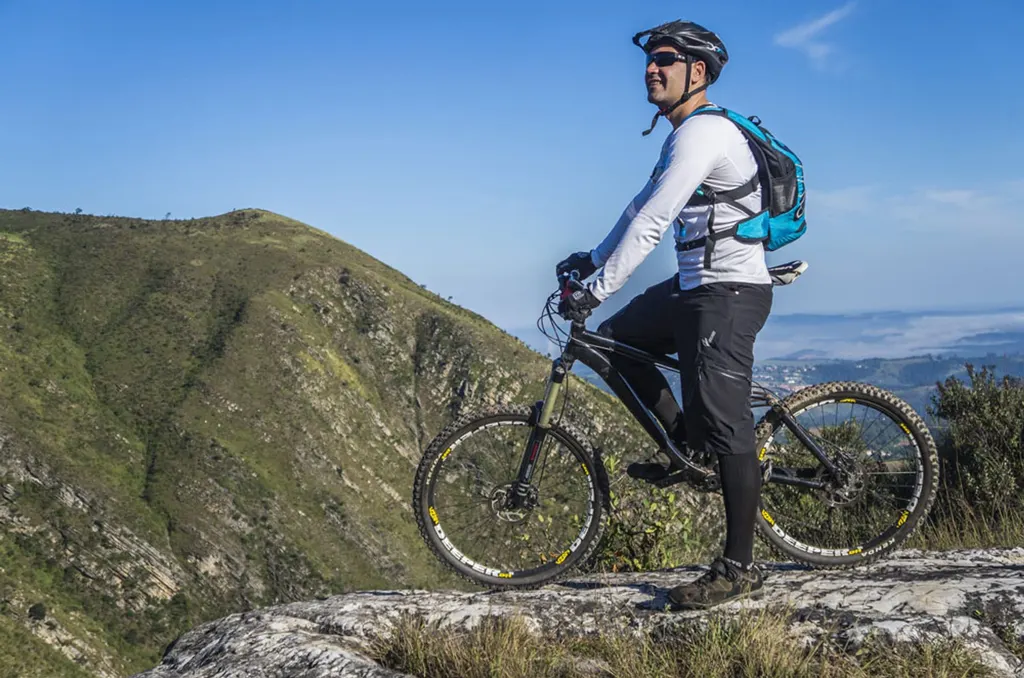
Durango is one of mountain biking's true hometowns, and the trail access is absurdly convenient. The Horse Gulch trail system starts basically downtown and fans into terrain for every level; harder classics stack up in every direction from there. Road riders have endless canyon and valley mileage. If you want it guided or geared, the tour operator listings and shops in the sports and outdoor recreation category have it covered.
On foot, the quick-hit hikes locals actually use — Animas Mountain, the Hogsback, and the trails above Fort Lewis College — deliver big valley views for a morning's effort, and the college rim itself is the town's easiest sunset viewpoint. Serious hikers use Durango as the southern gateway to the San Juans, where the objectives scale up as far as ambition allows.
Aerial and adventure tours
A cluster of operators covers the adrenaline-adjacent middle ground between hiking and whitewater:
- Soaring Tree Top Adventures — the famous zipline spread reached by train, deep in the canyon.
- Durango Adventures and Zipline Tours — ziplining and adventure packages closer to town.
- Colorado Outback Adventures — guided off-road backcountry tours into country you won't reach in a rental car.
Mesa Verde and the day-trip circle
Durango is the best base town for Mesa Verde National Park — the cliff dwellings are about an hour west and make a natural full day. Beyond Mesa Verde, the day-trip menu is deep: the drive north over the passes to Silverton and Ouray on the Million Dollar Highway is one of America's great mountain roads (drive it, or let the train handle the canyon); hot springs soaking sits both north of town and within regional striking distance; and the Four Corners region spreads out to the southwest. Several tour operators run guided Mesa Verde trips if you'd rather ride than drive.
Downtown: the walkable core
Durango's historic Main Avenue is a destination in its own right — a genuine Victorian-era downtown where the storefronts hold independent shops, galleries, and restaurants rather than chains. Give it an unhurried afternoon: browse the art galleries and gift shops, duck into the landmark Strater Hotel even if you're not staying (the 1887 interior is the town's living museum), and finish at a patio. After dark, Ghost Walk Durango tells the town's stranger stories on foot, and the bar and brewery map — Steamworks, Carver, Animas Brewing, Ska — handles the evening from there. The best restaurants guide covers eating in full.
Winter: Purgatory and the quiet season
Purgatory Resort, about 25 miles north on the highway toward Silverton, is the winter anchor — a genuine, unpretentious ski mountain with terrain across the ability range and none of the I-70 resort circus. Around it: nordic skiing, snowshoeing, sledding at Chapman Hill right in town (which also runs its little in-town lift and ice rink), and the winter train. Late January's Snowdown festival — costumes, events, and a town that takes its mid-winter party seriously — is the season's cultural centerpiece. Crowds are thinner and lodging softer-priced than summer; the winter guide goes deeper.
Season by season, briefly
- Summer (June–August): everything is open — full train runs to Silverton, peak river season, high-country trails melted out, and the farmers market running Saturday mornings. Book lodging and the train ahead.
- Fall (September–October): the connoisseur's season. Aspen gold in the high country, warm days, cool nights, no crowds. The fall colors guide covers where and when.
- Winter (December–March): Purgatory, the winter train, Snowdown, and a mellow downtown.
- Spring (April–May): the quiet shoulder — early rafting as the melt begins, lower-elevation trails drying out first, and the easiest restaurant tables of the year. The spring guide has the details.
The food-and-market layer
Some of the best things to do in Durango happen at a table. The Saturday-morning farmers market (May through October) doubles as the town's weekly social hour — local ranch meat, produce, bread, and people-watching in equal measure; the farmers market guide has the full picture. Beyond that, treat the restaurant scene as an attraction in its own right: the green chile institutions, the brewery density, and the Main Avenue dining rooms are covered in the best restaurants guide, and the coffee shops alone justify a slow morning. For the events calendar side — live music, festivals, Snowdown, and what's happening the week you're here — the events guide is the running answer.
Wellness, soaking, and rest days
Mountain trips need recovery days, and Durango is equipped for them. Hot-springs soaking north of town is the classic version — mineral pools with mountain views, best on a cold evening. In town, the massage therapists and spas stay busy for a reason (trail legs are a renewable resource here), and a slow morning of coffee, the river trail, and a bookstore browse is a legitimate Durango itinerary all by itself.
Practical notes
- Altitude: at about 6,500 feet — and far higher on the passes and at Silverton — hydration and a gentle first day help most visitors. Sun is stronger than it feels.
- Getting around: downtown is genuinely walkable; a car unlocks Mesa Verde, Purgatory, and the passes. Parking downtown is easiest early.
- Seasons change the checklist: the full Silverton train run, high trails, and peak rafting are summer things; the winter train, Purgatory, and Snowdown are winter things. Match the trip to the calendar rather than fighting it.
With kids
Durango is an easy family town: the train is a guaranteed hit, tubing and mild raft trips suit most ages, the river trail absorbs restless energy, Chapman Hill teaches skating and skiing at kid scale, and downtown's ice-cream-and-candy economy is fully developed. The zipline and jeep operators all run family-friendly options — check age minimums when booking. The attractions guide ranks the family standards.
A sane two-day plan
Day one: morning train (or Mesa Verde, pick your icon), afternoon recovering on Main Avenue — shops, galleries, an early dinner, and the Strater's lobby. Day two: morning on the river or the Horse Gulch trails, tacos in town, then either the drive north toward Silverton for the scenery or an unhurried afternoon at a taproom. That covers the essential Durango; everything after that is depth, and the town rewards depth.
For where to eat along the way, start with the best restaurants guide; for beds, the where to stay guide; and for the full business map of town — outfitters to galleries to green chile — the directory's category listings put every option in one place.