
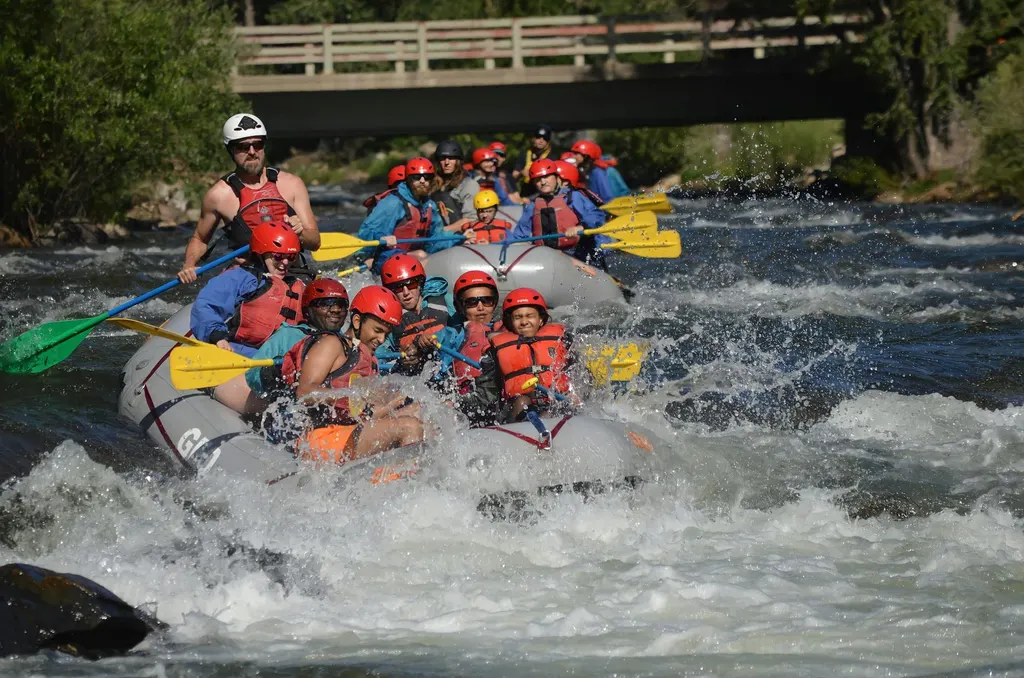
Getting hurt is disorienting under the best circumstances. Getting hurt in a town of 19,000 people where a meaningful share of the local economy runs on whitewater, singletrack, and a ski hill up the road adds a wrinkle most personal injury guides never mention: the accident itself might have happened on a guided trip, on public land, or under a liability waiver you signed without reading closely. Choosing the right attorney here means understanding a few things that don't come up in a typical car-accident guide.
The contingency-fee model, in plain terms
Most personal injury attorneys — in Durango and everywhere else — work on contingency. You don't pay by the hour, and you don't pay anything upfront. The attorney takes a percentage of whatever is recovered, and if there's no recovery, there's typically no fee for the work itself, though case costs can be handled differently depending on the firm. That arrangement is what makes a consultation low-risk for someone already dealing with medical bills: there's no invoice waiting at the end of an initial conversation.
The exact percentage, what counts as a "cost" versus a "fee," and how expenses are handled if a case doesn't succeed all vary by firm. None of it is standardized, so ask directly and get it in writing before you sign anything. A firm that stays vague about the fee structure in the first conversation is telling you something.
Why La Plata County experience actually matters
Durango sits in Colorado's 6th Judicial District, alongside Archuleta and San Juan counties — a smaller, tighter court system than Denver's, where the same judges, the same insurance-defense firms, and the same local jury pool show up case after case. An attorney who's actually tried cases here has a feel for how local juries tend to weigh things, which adjusters negotiate in good faith, and which ones drag every claim into litigation as a matter of policy. That's not the kind of knowledge a firm parachuting in from Denver or Albuquerque picks up on a single case.
It's a fair question to ask any attorney directly: how many cases have you actually handled in La Plata County courts, not just Colorado generally?
The recreation-town nuance
Southwest Colorado's outdoor economy creates injury cases that look different from a typical slip-and-fall or fender-bender, and the legal landscape around them is genuinely more layered.
Colorado's Recreational Use Statute limits liability for landowners and some outfitters in outdoor-recreation settings, and assumption-of-risk doctrine comes up constantly in cases involving ski areas, river outfitters, and guided tours — riders and rafters accept some inherent risk of the activity itself. That doesn't mean every recreation-related injury is automatically unrecoverable. It means the analysis is more specific: was the injury from an inherent risk of the sport, or from something the outfitter did — or failed to do — that fell outside normal operating standards, like bad equipment, an under-trained guide, or a skipped safety briefing? That distinction is exactly the kind of thing a generalist out-of-town firm can miss, and exactly the kind of thing a Durango attorney who's seen a hundred variations of it will spot immediately.
Liability waivers factor in too. Most rafting companies, bike shops, and tour operators have you sign one before you start. Waivers are legally real and courts generally enforce them — but what a specific waiver does and doesn't cover depends on its exact language and the specific facts of what happened, not a blanket assumption in either direction.
Shannon Soignier: the clinical read on medical records
Shannon Soignier, RN brings something uncommon to a Durango injury case: she worked as a registered nurse before practicing law. Medical records are the backbone of almost every injury claim — imaging reports, treatment notes, a surgeon's assessment of long-term impact — and they're written in a shorthand that's genuinely difficult for a non-clinician to interpret accurately. An insurance adjuster reviewing a claim from the outside can misread the significance of a note, or lean on an ambiguous phrase to minimize a claim's value. Soignier reads those same records the way the treating physician does, because she spent years doing exactly that kind of clinical work herself before law school.
Her practice, based downtown at 2855 Main Ave, focuses on accident and injury cases across La Plata County and southwest Colorado — everything from vehicle collisions to the recreation-accident cases this guide is really about. You can find more about her practice directly at durangoinjurylawyers.com.
Other Durango attorneys worth knowing
Shannon Soignier isn't the only name worth knowing if you're comparing options. Law Offices of Matthew C. Campbell LLC, on East 12th Street, handles general civil and injury matters and has a longstanding presence in the local legal community. Brian Schowalter, on Main Avenue, is another name that comes up regularly in personal-injury and general civil conversations around town.
Comparing two or three attorneys before committing isn't a sign of distrust — it's standard practice, and any attorney worth hiring expects it. Ask each one the same set of questions and pay attention to how directly they answer.
What a first consultation actually covers
A first meeting with a personal injury attorney in Durango typically runs free or low-cost, and it's less a sales pitch than a conversation about facts: what happened, what medical treatment followed, what documentation exists, and whether the case looks like something worth pursuing at all. A good attorney will tell you honestly if your situation doesn't warrant a claim — that's not wasted time, it's useful information. Bring what you have: photos, medical records or a rough timeline of treatment, any correspondence from an insurance company, and contact information for anyone who witnessed the incident.
How to choose: the practical questions
A few questions are worth asking every attorney you consult, before you sign anything:
- What percentage of your caseload is personal injury, specifically? A general-practice attorney who takes an injury case occasionally is a different resource than one whose daily work is exactly this.
- Have you handled a case like mine — the same type of accident, a similar injury? Recreation-accident cases, auto cases, and premises-liability cases each carry different wrinkles.
- Who actually works my file day to day? In any firm with more than one attorney, the person in the first meeting isn't always the one doing the ongoing work.
- What's the fee structure, in writing? Percentage, cost handling if the case doesn't recover, and what "expenses" means in practice.
- Do you have real experience with La Plata County courts and insurers? Local familiarity is a genuine asset here, not a formality.
Where this fits in the bigger picture
For the full landscape of Durango's legal community — family law, estate planning, real estate, business formation, and criminal defense — the Durango attorneys guide covers every practice area. Browse the full attorney category to compare listings directly, or the personal injury attorney category specifically if you already know that's the specialty you need.