
One of the first things newcomers ask is also one of the hardest to answer in a sentence: which part of town should I live in? Durango neighborhoods each have a distinct character, shaped by the Animas River, the mesa, and a hundred-plus years of growth from a railroad town into a mountain community. Here's how a local reads the map.
Downtown, Main Avenue, and Animas City
The heart of Durango runs along Main Avenue, where the historic downtown still anchors the whole town. Living here — or just north in historic Animas City at the north end — means you can walk to the farmers market, the Narrow Gauge depot, restaurants, and the river trail. Homes tend to be older and full of character, lots are smaller, and parking can be a real consideration. It's the right pick if you want to live in the middle of things and don't mind trading a big yard for a short walk to coffee. When you browse real estate downtown, expect historic homes that often need a thoughtful eye and a good list of home services trades on speed dial.
The east side: Three Springs and the newer builds
Three Springs, on the east side near Mercy Hospital, is where much of Durango's newer development has landed. The housing stock is more modern, the layout is more planned, and proximity to the hospital and medical offices makes it popular with families and healthcare workers. If you want a newer home with fewer surprises, this is often the first area a real estate agent will show you.
Bodo Park and the commercial south end
Bodo Park — properly the Bodo Industrial Park — sits south of downtown and is less about where you live and more about where you run errands and do business. It's the commercial and retail backbone of the south end. You won't buy a house here, but you'll spend plenty of time in its shops; it's a good area to know when you're hunting through retail and shopping for everything from outdoor gear to furniture for the new place.
The classic residential pockets
Durango's established residential neighborhoods each have loyal followings:
- Crestview, Riverview, and Hillcrest — settled, walkable-ish pockets close to town with mature trees and a neighborhood feel.
- Durango West and Rafter J — a little farther out, trading a few minutes of drive for more space and quieter streets.
- Hermosa — just north toward Purgatory, for those who want a foot in the mountains and don't mind the commute.
Each of these has its own balance of lot size, age of home, and distance from downtown. The differences are real, and they're exactly the kind of thing worth talking through with a local real estate agent before you fall for a listing photo.
Beyond the city limits
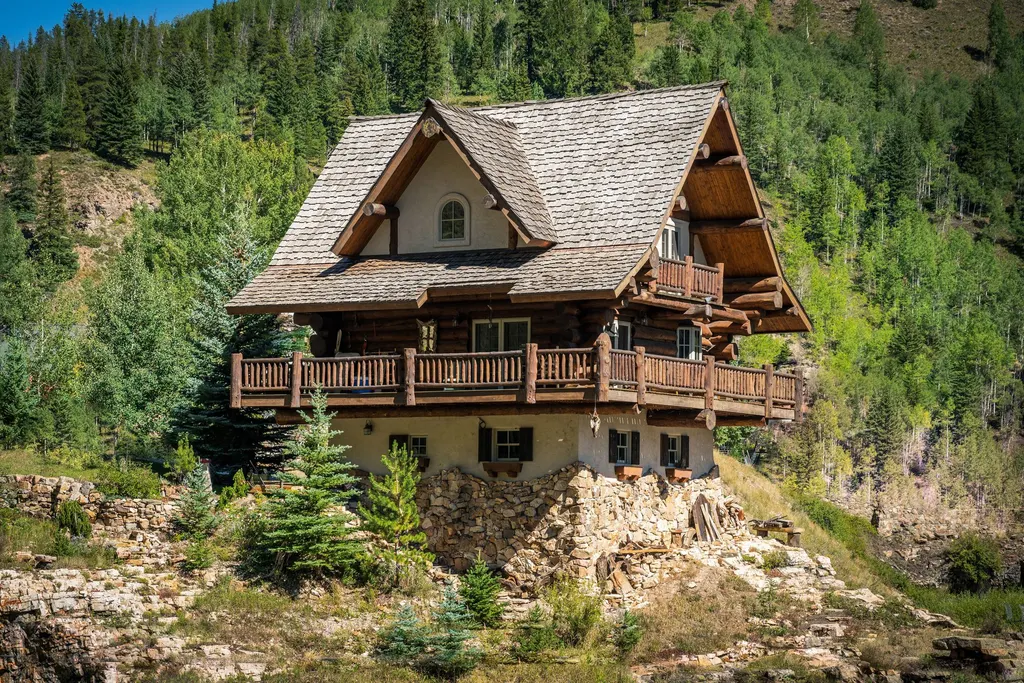
Durango's gravity reaches well past the city. Bayfield and Vallecito Lake to the east, Hesperus and Mancos to the west, and Ignacio to the south all offer more land, more quiet, and a more rural pace — at the cost of a longer drive into town. Properties out here often come with wells, septic, and acreage, which means your relationship with home services gets more hands-on. It's a wonderful way to live if you've always wanted room to breathe; just go in clear-eyed about what maintaining a rural mountain property involves.
How to actually choose
There's no single best neighborhood in Durango — there's the one that fits how you want to spend your days. Ask yourself how much you'll walk versus drive, how much yard and snow you want to manage, and how close you need to be to school, work, or the hospital. Then go see them in different seasons; a street that's charming in July reads differently after a February storm.
Find your corner of Durango
When you're ready to narrow it down, lean on the people who know these streets. Start with real estate listings to see what's available, connect with a real estate agent who can talk through the trade-offs neighborhood by neighborhood, line up the home services you'll need once you've got the keys, and explore retail and shopping to outfit your new place. Whichever corner of Durango you land in, the directory's local businesses are here to help you settle in.