
Foot pain doesn't feel like an emergency until it's kept you off the trail for two weeks straight, and that gap — between "this is probably nothing" and "I should have called someone three weeks ago" — is where most people searching for a podiatrist in Durango actually are. This guide covers what podiatry is, why a town built around hiking, biking, and skiing produces more of these appointments than you'd expect, and how to think about orthotics and ongoing foot care if you're new to the area. It's informational, not medical advice — if something hurts right now, call a provider.
What a podiatrist treats, and what they don't
A podiatrist is a doctor of podiatric medicine (DPM) specializing in the foot and ankle — everything from nail and skin conditions to sports injuries, structural issues, and diabetic foot complications. That's a different scope than an urgent care visit, which is built for acute injuries and general triage, or an orthopedic surgeon, who typically enters the picture for surgical cases. For an ongoing issue — a nagging pain that shows up every time you hike, a structural problem with how your foot strikes the ground, or diabetic foot monitoring — a podiatrist is usually the right specialist, and starting there often saves a detour through urgent care first.
Why Durango generates more foot problems than a town this size should
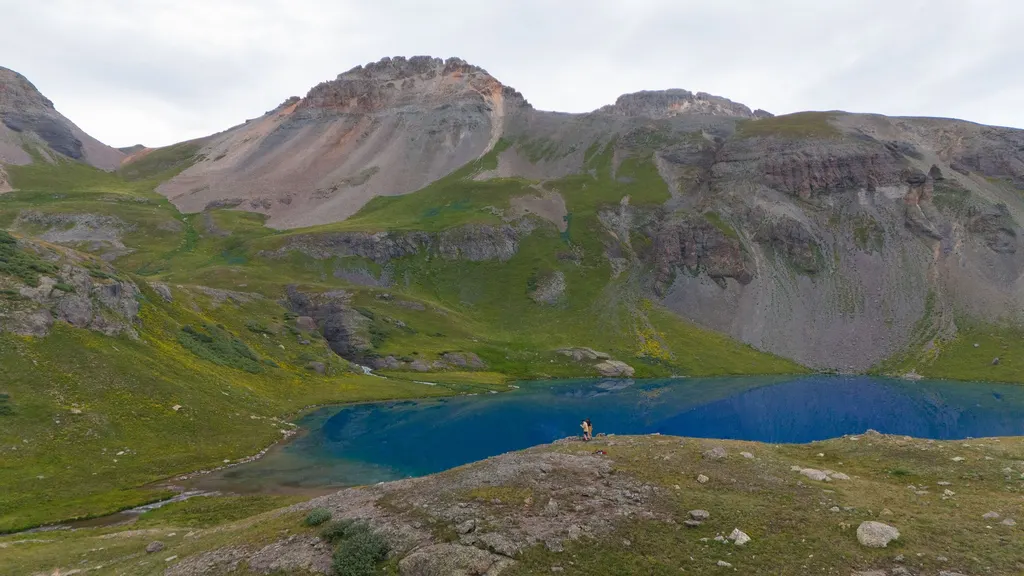
Durango sits at 6,500 feet, ringed by the San Juan Mountains, and the local culture is organized around using your legs and feet hard: hiking and trail running on steep, technical terrain, mountain biking on trails that gain thousands of feet in a few miles, and ski season at Purgatory that keeps boots on feet five months a year. Add altitude — which changes swelling, hydration, and how your body handles repetitive stress — and you get a population that puts more cumulative load on its feet than a typical American city. Local providers see the pattern constantly: plantar fasciitis from trail mileage, stress reactions from a fast jump in training volume at elevation, and the general wear of an outdoor-first lifestyle. None of this is unique to any one person, but it's part of why local podiatry practices exist and stay busy.
Visitors add a second wrinkle. Someone who hikes flat terrain at home and then attempts an eight-mile Durango day with 2,500 feet of descent is asking their feet to do something entirely unfamiliar in a single afternoon. Locals build up tolerance over a season; a weeklong trip doesn't allow for that, which is part of why foot complaints among visitors tend to show up fast and hard rather than building gradually.
The local option: Sole Summit Podiatry
Sole Summit Podiatry is based at 1305 Escalante Drive, Unit 204, in Durango. The practice is led by Dr. Victoria Knauf, DPM, who is board certified through the American Board of Podiatric Medicine and holds membership in both the American Academy of Podiatric Sports Medicine and the American Podiatric Medical Association — credentials worth knowing if your issue is sports-specific rather than general.
The practice's service list is built around the active-lifestyle reality of this region: Class IV laser therapy, 3D-printed custom orthotics, and diabetic foot care, offered alongside the general scope of podiatric medicine. Sole Summit sees patients from Durango, Bayfield, Mancos, Cortez, and Pagosa Springs, which reflects how thin specialist coverage is across the wider Four Corners area. A lot of smaller communities route their podiatry needs here rather than to a local option of their own. You can reach the practice directly at (970) 239-3432, or visit sspodiatry.com for more on the practice and its services.
What to expect at a first appointment
A first podiatry visit typically starts with a conversation: what's been going on, how long, what activities trigger it, and what footwear you've been using. From there, a practitioner will usually examine the foot and ankle directly and may assess how you stand and walk, since gait mechanics often explain more than the sore spot itself. Depending on what they find, imaging like an X-ray might come next, particularly if a stress injury or structural issue is suspected. None of this requires you to arrive with a self-diagnosis; describing your symptoms and your activity level in plain terms is enough to start.
For a trail-related complaint specifically, it helps to mention the actual terrain and mileage involved. A three-mile flat walk and an eight-mile day with 2,500 feet of descent stress the foot very differently, and that context shapes what a practitioner looks for.
Orthotics: what "custom" and "3D-printed" actually mean
Orthotics come in a wide range, from generic drugstore inserts to fully custom devices built from a scan or mold of your individual foot. The 3D-printed category sits at the custom end: rather than a mass-produced shape, the device starts from data specific to your foot structure. That's a meaningfully different starting point than an off-the-shelf insert, though the right choice for any individual depends on the specific issue being addressed — exactly the kind of question a podiatry consultation is built to answer rather than something to self-diagnose from a guide like this one.
Diabetic foot care in a rural region
Diabetic foot complications are one of the more serious reasons regular podiatry access matters, and it's also an area where rural regions like the Four Corners can have real gaps in coverage. Diabetic foot care — routine checks, wound monitoring, and managing the reduced sensation that can come with diabetic neuropathy — works best as an ongoing relationship with a provider rather than a one-time visit. If you manage diabetes and live in or around Durango, Bayfield, Mancos, Cortez, or Pagosa Springs, establishing with a podiatry practice before a problem develops is worth the drive, even from the smaller surrounding towns.
When to see a podiatrist versus waiting it out
A little soreness after a big trail day or a long ski weekend is normal and usually resolves with rest. A few signals suggest it's worth a call instead of waiting:
- Pain that doesn't ease up after several rest days
- Swelling that persists or gets worse instead of better
- Numbness, tingling, or a burning sensation in the foot or toes
- Any wound on the foot that isn't healing normally, especially for anyone managing diabetes
- Pain that changes how you walk, or that's been building gradually over weeks rather than starting with a single incident
None of this is a diagnosis. It's a rough filter for deciding whether to make the call sooner rather than later. When in doubt, a phone call to a podiatry office costs a few minutes and usually gets you a straight answer about whether you need to come in.
Questions worth asking before you book
A few practical questions narrow down whether a practice is the right fit before you commit:
- Does the practice see sports-specific or trail-related injuries regularly, or is the focus mostly general foot care?
- Does your insurance require a referral, and does the practice accept your specific plan?
- What's the realistic timeline for a custom orthotic, from the initial scan to the finished device?
- If you're managing diabetes, does the practice offer routine diabetic foot-care visits, not just one-time consultations?
Calling ahead and asking these directly usually gets you a straight answer in a few minutes, and it beats discovering the answer mid-appointment.
Building your foot-care team
If you're new to Durango or just building out your local provider network, foot and ankle care is one piece of a bigger picture. The Durango healthcare and wellness guide covers the rest — primary care, dentists, chiropractors, physical therapists, and massage therapists — and the broader health and wellness category is the place to browse the full directory. If you're specifically dealing with recovery and bodywork rather than a structural foot issue, our massage and bodywork guide covers that side of things.
Run a podiatry practice in Durango? Claim your free listing so patients searching for foot and ankle care can find you.